
Hot or cold wash
Which Is Better for Your Laundry?
1/29/20262 min read
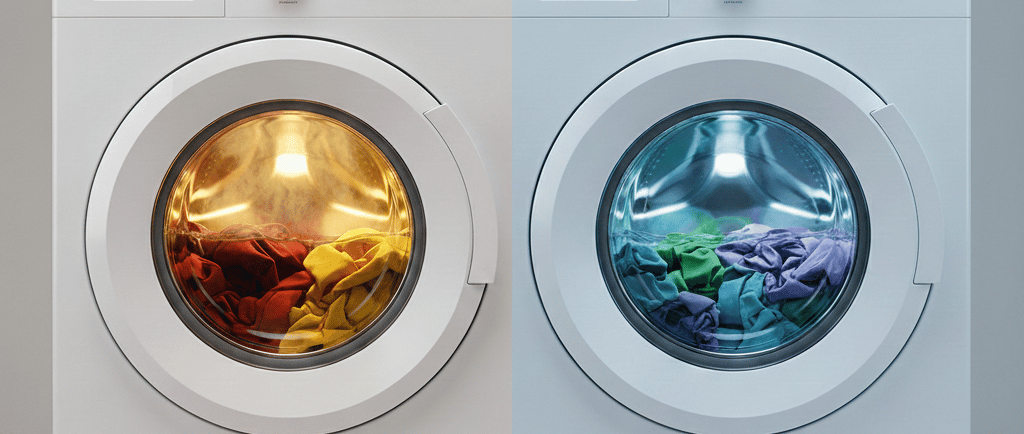
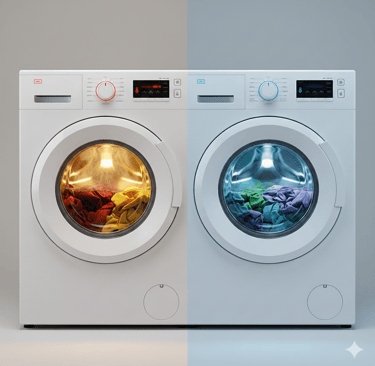
Hot or cold wash: Which is better for your laundry?
Choosing between hot and cold water is one of the most common laundry questions people have. When clothes smell, feel itching, or don’t seem clean enough, increasing the water temperature often feels like the safest option. And in some cases, it does help. But temperature alone isn’t the full story.
Understanding what hot and cold water actually do during washing helps explain why neither option fully solves modern laundry problems on its own.
What hot water does well. And where it falls short
Hot water can improve washing performance in a few key ways. Higher temperatures help dissolve detergent more easily and can loosen oils and residues on the surface of fabrics. This is why hot washes often feel more effective when dealing with heavy buildup or strong odors.
However, this effectiveness comes with trade-offs.
Most modern clothes are made from synthetic or blended fibers such as polyester, nylon, elastane, and spandex. These materials are sensitive to heat. Repeated hot washing accelerates fabric degradation: clothes shrink, elastic fibers lose their stretch, colors fade faster, and technical performance fabrics lose their moisture-wicking ability.
Hot washes also increase energy consumption, leading to higher utility bills over time. For many households, especially those washing frequently, this adds up quickly.
Cold water: gentler, but not always enough
Cold water washing has become increasingly popular, and for good reason. It protects fabric structure, preserves color, reduces shrinkage, and significantly lowers energy use. For everyday laundry, cold water is often sufficient to remove visible dirt.
The challenge appears with modern fabrics.
Synthetic fibers are designed to repel water and move moisture away from the skin. That same property makes it harder for cold water to penetrate deep into the fabric structure. When water can’t reach those inner spaces, sweat oils and detergent residues are more likely to remain behind — even after a full wash and rinse.
This is why clothes can come out of a cold wash looking clean but still smelling, feeling stiff, or causing skin discomfort.
Temperature isn’t the real issue. Rinsing is.
Both hot and cold washes focus on the same variable: temperature. But many laundry problems are not caused by insufficient heat. They’re caused by residues left behind by incomplete rinsing.
Detergent loosens oils and dirt, but water is responsible for carrying them away. If water cannot effectively penetrate the fabric and release residues, they remain trapped, regardless of how hot the cycle is.
Turning up the temperature compensates for poor rinsing, but at the cost of fabric damage and higher energy use.
How to make cold washing work better
NanoWash takes a different approach. Instead of relying on higher temperatures or stronger chemicals, it focuses on improving the physical performance of water itself.
Using nanobubble technology, NanoWash reduces the surface tension of water. This allows water to enter smaller gaps within fabric fibers and release residues more effectively during both washing and rinsing. The result is improved removal of detergent and sweat buildup — even in cold washes.
NanoWash doesn’t replace your detergent. It helps the detergent you already use work more efficiently, so less residue stays behind. It connects directly to the washing machine, requires no electricity or chemicals, and allows you to wash as usual — just with better water.
For people choosing cold water to protect clothes, reduce energy use, or support sensitive skin, improving rinsing performance can make all the difference.
Sometimes, the solution isn’t hotter water. It’s smarter water.